
As noted on this blog in April, supporters of NHS-assisted suicide reacted to the long, slow death of Kim Leadbeater’s inadequately scrutinised Private Members’ Bill (PMB) in the House of Lords by revealing a somewhat undemocratic plan to “table an identical PMB in the next parliamentary session”.
And yesterday, with the new parliamentary session having kicked off last week with the ludicrously anachronistic pomp of the King’s Speech, the embarrassment that is British parliamentary democracy in the 21st Century cranked into action to select the 20 MPs who will have the best chance of their chosen PMB progressing through Parliament, as they will get priority for the limited amount of debating time made available over the session.
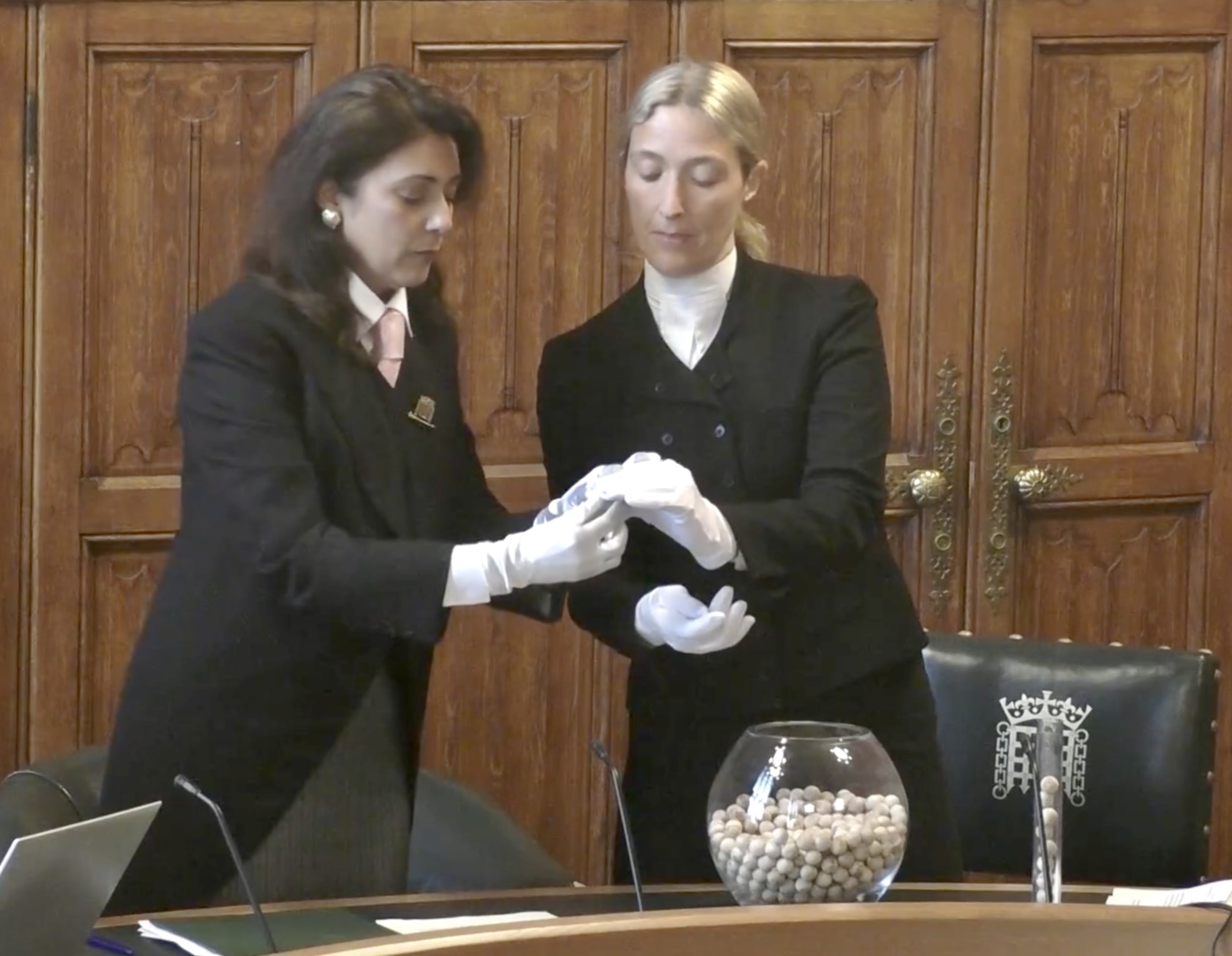
Some 500 backbench MPs had entered the PMB ballot, but of the 20 who had their numbered wooden ball drawn from a glass bowl in reverse order by two white-gloved flunkies, only those who randomly secured one of the top seven slots stand any real chance of repeating/bettering Kim Leadbeater’s admittedly impressive feat of almost getting her PMB into the Statute Book.
Unfortunately for those in favour of Leadbeater’s deeply flawed model of NHS-assisted suicide, the top slot was ‘won’ by Sir Desmond Swayne (Conservative), a vocal opponent. But two vocal supporters, Lauren Edwards (Labour) and Andrew George (Liberal Democrat), ‘won’ the second and fourth slots, while two other MPs who voted in favour of Leadbeater’s PMB, Luke Evans (Conservative) and Jessica Toale (Labour), ‘won’ the fifth and seventh slots.
The 20 MPs drawn in the ballot now have until 17 June to choose a PMB from the many that will be offered to them by Dignity in Dying and other noisy campaign groups, and at the time of writing none of the top seven have revealed their intentions, with Andrew George telling the Guardian he will consult his constituents over the next fortnight before making his decision:
This is a great opportunity for West Cornwall and the Isles of Scilly. That’s why I want to take a little time to listen to what constituents say before finally making my decision about which option would be best.
However, Jess Asato, a Labour MP who strongly opposed Leadbeater’s PMB, told the Guardian it would be a distraction to bring it back:
We know the assisted dying Bill is flawed and unsafe because the experts like the royal medical colleges and the Equality and Human Rights Commission have told us. The last thing our Party should be focusing on right now is continuing to debate this deeply divisive, flawed and risky Bill, rather than delivering on the priorities of voters.
Amen to that. As noted on this blog earlier this month, it is increasingly clear that ordinary people have had more than enough of the woke mélange of ‘trans rights’; the roll-out and rigid enforcement of 20 mph speed limits; the prioritisation of overly rigid, self-harming Net Zero targets (that will make negligible difference to overall climate change); the introduction of NHS-assisted suicide; the reforestation of Uganda; and other progressive-badged policies pushed on out-of-touch, technocratic politicians by obsessive campaign groups and their lobbyists.
[Update, 8 June: Indeed, a recent MRP poll conducted for think tank The Other Half suggests there is no public mandate in any of the 632 parliamentary constituencies in Great Britain for reviving Leadbeater’s NHS-assisted suicide PMB and then using the Parliament Acts to bypass the House of Lords and push the flawed Bill into law.
So, if Lauren Edwards, Andrew George, Luke Evans and Jessica Toale have any sense, they will decide to secure their footnote in history by opting for a PMB providing for some worthy but relatively minor and non-contentious legal reform.]


Pingback: Walking dead: Keir Starmer, Lauren Edwards and the new but identically flawed NHS-assisted suicide PMB | Labour Pains